

The interview between Stephen Colbert and James Talarico was not aired on CBS broadcast television because network lawyers warned that it could violate FCC political-broadcast rulesparticularly the equal-time requirement, which might have obligated the network to provide equivalent airtime to other candidates. Instead, the interview was posted on YouTube, which is not subject to those rules and therefore allowed it to be shown.
Both Colbert and Talarico described the decision as a form of censorship, driven by fear of FCC penalties or broader political pressure, effectively suppressing a critical conversation on broadcast television. Fox News, by contrast, is not regulated under the same FCC framework that applies to broadcast networks such as CBS, ABC, or NBCan important distinction for understanding this situation.
In any case, the interview surpassed8.2 million views in just three days, highlighting the growing reality of alternative media platforms that operate outside the direct control of the government.
Yet the most important aspect of this story is not censorship itself, but Talaricos stance and character. Talaricoan American politician, Presbyterian seminarian, and former public school teacherhas served since 2018 as a member of the Texas House of Representatives and is widely regarded as a rising figure among Democrats. In his conversation with Colbert, he reframed Christianity around two essential principles:love of God and love of neighbor. He pointed out that many fundamentalist Christian leaders who focus obsessively on abortion and LGBTQ issues are, in practice, advancing political agendasoften around topics that are not explicitly rooted in the Bible.
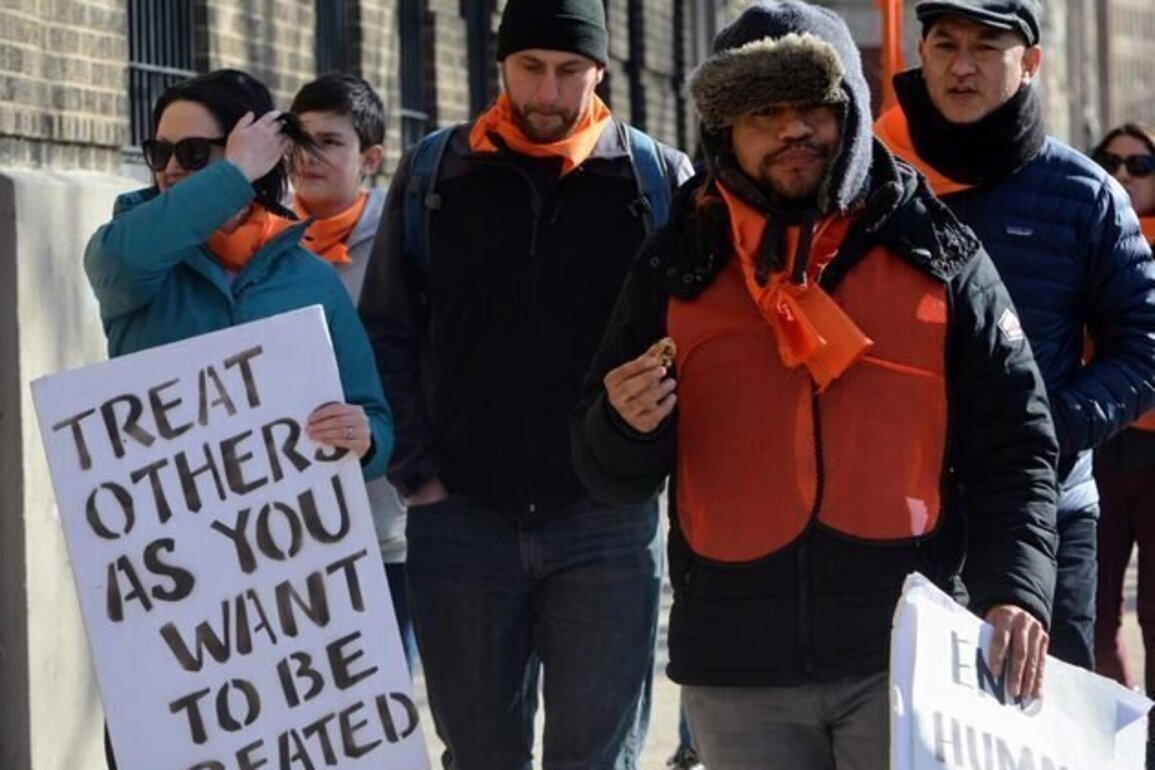
If the United States is ready to return to such fundamental principles, there may be an opportunity to move beyond its current existential crisis. As a humanist, I would reframe this discussion through theGolden RuleTreat others as you want to be treatedwhich directly echoes the ethic of loving ones neighbor.
The universal power of the Golden Rule lies in its appeal to shared human experience rather than to any specific culture or belief system. Every person understands suffering, dignity, and care through lived experience, making the principle immediately relatable across societies. It offers ethical direction rather than rigid doctrine, affirming the equal value of all human beings. By inviting us to measure our actions through empathy and reciprocity, it introduces a nonviolent logic into human relations and provides a simple yet powerful foundation for justice and peaceful coexistence.
Todays political Left, despite its different language and symbols, often operates on thesame ideological platform as the Rightreacting within the same logic of confrontation, exclusion, and power struggle, merely expressed through different formats. Both sides define themselves more by opposition than by a shared ethical horizon, leaving little space for genuine transformation.
The Golden Rule offers a way out of this deadlock. It allows us to imagine the construction of a new grouping not ideological in the narrow sense, but ethical and human. Such a movement could be formed through a broad coalition of religious communities, labor unions, social and local organizations, human rights advocates, environmental protectors, businesses, and defenders of workers rights. What would unite them is not identity, dogma, or party loyalty, but a shared commitment to treating others as one would wish to be treated.
The strength of the Golden Rule lies precisely in its ability to operate acrossdiversity. It does not erase cultural, spiritual, or social differences; it provides a common ground upon which those differences can coexist and cooperate. Applied consistently across varied cultures and social realities, it can become a living principleone capable of guiding political action, economic practice, and collective life beyond the exhausted leftright divide.
Unlike abstract ideals such as life, liberty, and the pursuit of happiness, the Golden Rule is something we can practiceevery day, in every situation. It reconnects us to the human reality in front of us and restores meaning to the present moment. In a fractured world, this simple principle may be the most radical foundation we have for building a future worth sharing.
David Andersson